

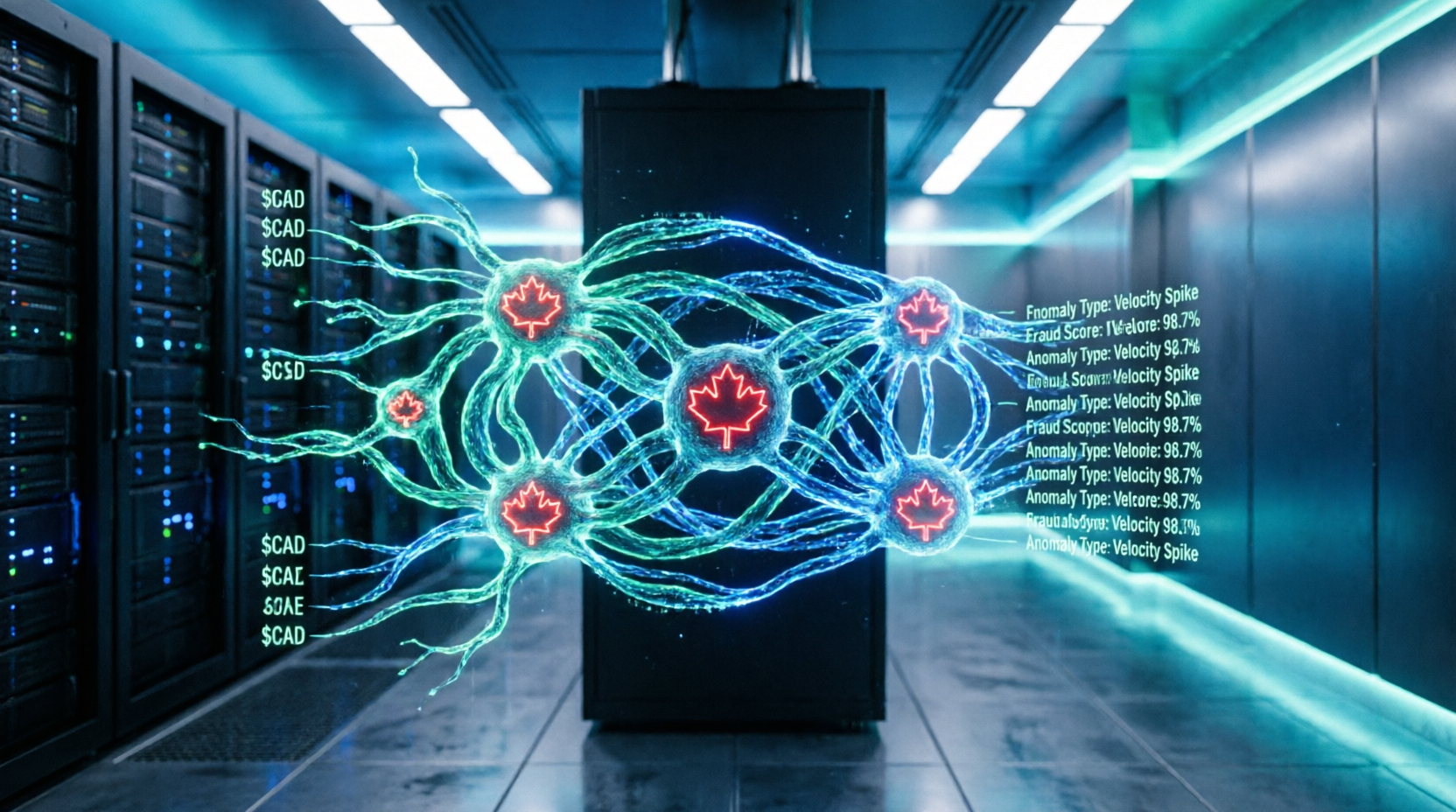
Beyond individual transaction monitoring, AI is playing a crucial role in combating complex, organized financial crime. Money laundering networks often use thousands of mule accounts to move illicit funds across borders in small, seemingly innocuous amounts. Traditional systems struggle to connect these disparate dots, but AI excels at network analysis. By mapping out relationships between accounts, IP addresses, and transaction timings, machine learning models can uncover hidden syndicates and alert the bank’s financial crime units to investigate and freeze assets before the money leaves the Canadian financial system.
Advertisement
The integration of generative AI is also enhancing the customer support aspect of fraud prevention. When a customer reports a suspicious charge, AI-driven chatbots and virtual assistants can instantly pull up the transaction details, analyze the risk level, and guide the user through the dispute process in real time. This not only reduces the wait times for human agents but also ensures that customers receive immediate, accurate assistance during what is often a highly stressful situation. Furthermore, these AI systems continuously learn from every resolved case, constantly refining their detection capabilities.
However, the use of AI in banking is not without its regulatory and ethical considerations. The Office of the Superintendent of Financial Institutions (OSFI) and the Privacy Commissioner of Canada have established strict guidelines to ensure that these algorithms are transparent, unbiased, and compliant with privacy laws. Banks are required to regularly audit their AI models to prevent discriminatory outcomes, such as unfairly flagging transactions from specific demographic groups. Additionally, all data used to train these models is anonymized and encrypted, ensuring that consumer privacy remains paramount even as security measures intensify.
Looking ahead, the arms race between financial institutions and cybercriminals will only accelerate. Canadian banks are currently investing heavily in quantum-resistant cryptography and advanced behavioral biometrics to stay ahead of emerging threats. For the everyday Canadian consumer, this means that the financial system is becoming increasingly secure, operating as an invisible shield that protects their hard-earned money while allowing them to enjoy a seamless, frictionless banking experience in an increasingly digital world.