

Home Health
Category:

Health

Advertisement

Canada’s vast and diverse landscape offers unparalleled opportunities for outdoor fitness, from rugged mountain trails to scenic urban cycling routes. As more Canadians prioritize physical and mental well-being, hiking and cycling have emerged as popular activities that combine exercise with the enjoyment of nature. The summer months provide ideal conditions for exploring the country’s extensive network of trails and paths, catering to all fitness levels and interests. Whether seeking a challenging mountain ascent or a leisurely ride through a city park, Canada’s outdoor spaces offer something for everyone looking to stay active and connected to the environment.

Hiking is one of the most accessible forms of outdoor exercise, requiring minimal equipment and offering significant health benefits. Regular hiking improves cardiovascular fitness, strengthens muscles, enhances balance, and reduces stress. Canada is home to thousands of hiking trails, ranging from short, family-friendly walks to multi-day backcountry expeditions. In British Columbia, the Pacific Spirit Regional Park near Vancouver offers over 70 kilometers of trails through coastal rainforest, providing a serene escape from urban life. The West Coast Trail on Vancouver Island is a more challenging option, attracting experienced hikers with its rugged terrain, suspension bridges, and stunning ocean views. For those seeking alpine scenery, the trails around Banff and Jasper National Parks in Alberta offer breathtaking vistas of mountains, lakes, and wildlife.

In Ontario, the Bruce Trail is the oldest and longest marked footpath in Canada, stretching over 890 kilometers from Niagara to Tobermory along the Niagara Escarpment. Sections of the trail are suitable for day hikes, offering opportunities to explore forests, waterfalls, and the shores of Georgian Bay. The Laurentian Mountains in Quebec provide another excellent hiking destination, with trails that wind through dense forests and offer panoramic views of the surrounding landscape. The Cabot Trail in Nova Scotia combines hiking with coastal scenery, featuring trails that overlook the Atlantic Ocean and pass through the Cape Breton Highlands National Park. These diverse options ensure that hikers of all abilities can find trails that match their fitness level and interests.

Cycling is another popular outdoor activity that offers excellent cardiovascular benefits while being easier on the joints than running. Canada’s cities and towns have invested significantly in cycling infrastructure in recent years, creating networks of bike lanes, multi-use paths, and dedicated cycling routes. In Toronto, the Martin Goodman Trail runs along the waterfront for 18 kilometers, providing a scenic route for cyclists of all levels. The city’s expanding network of bike lanes makes it increasingly feasible to commute by bicycle, reducing traffic congestion and promoting sustainable transportation. Vancouver’s Seawall is one of the most famous cycling routes in the country, offering 28 kilometers of paved path around the city’s waterfront, with views of the mountains, ocean, and urban skyline.

Montreal is widely regarded as one of the most bike-friendly cities in North America, with over 900 kilometers of cycling paths and a popular bike-sharing program. The city’s extensive network connects neighborhoods, parks, and cultural attractions, making it easy to explore by bicycle. In Calgary, the Bow River Pathway system offers over 48 kilometers of paved trails along the river, providing a peaceful route for cyclists and pedestrians alike. The pathway connects to numerous parks and natural areas, allowing riders to enjoy the city’s natural beauty without leaving urban boundaries. These urban cycling routes demonstrate that fitness and transportation can be seamlessly integrated into daily life.


Pages: 1 2

Advertisement

Every summer, millions of Canadians face the dual challenge of seasonal allergies and the increasing threat of wildfire smoke, particularly in major urban centers. Climate change has extended pollen seasons and intensified wildfire activity across the country, creating a complex public health issue that affects respiratory health, quality of life, and daily activities. Cities like Toronto, Vancouver, Calgary, and Montreal are increasingly experiencing days where air quality indices reach unhealthy levels due to a combination of high pollen counts and smoke particulates. Understanding how to manage these environmental factors is essential for protecting health and maintaining comfort during the summer months.

Pollen allergies, also known as hay fever or allergic rhinitis, affect a significant portion of the Canadian population. Common allergens include tree pollen in the spring, grass pollen in early summer, and ragweed pollen in late summer and early fall. However, rising temperatures and changing precipitation patterns have altered the timing and intensity of pollen seasons. In 2026, Environment and Climate Change Canada reports that pollen seasons are starting earlier and lasting longer, with higher concentrations of allergens in the air. This extended exposure can lead to more severe symptoms, including sneezing, nasal congestion, itchy eyes, and asthma exacerbations. For individuals with pre-existing respiratory conditions, the impact can be particularly significant, requiring careful management and sometimes medical intervention.

Wildfire smoke adds another layer of complexity to summer air quality. Canada’s boreal forests, which span a vast area from coast to coast, are increasingly prone to wildfires due to hotter, drier conditions. When fires occur, smoke can travel hundreds or even thousands of kilometers, affecting urban areas far from the source. The smoke contains fine particulate matter, known as PM2.5, which can penetrate deep into the lungs and even enter the bloodstream. Exposure to PM2.5 is linked to respiratory and cardiovascular problems, particularly in vulnerable populations such as children, the elderly, and individuals with chronic health conditions. In recent years, cities like Vancouver and Toronto have experienced multiple days of poor air quality due to wildfire smoke, prompting public health advisories and school closures.

Monitoring air quality is the first step in managing exposure to allergens and smoke. The Air Quality Health Index (AQHI) is a tool developed by Health Canada, Environment and Climate Change Canada, and provincial partners to provide real-time information on air quality and associated health risks. The AQHI ranges from 1 to 10+, with higher numbers indicating greater health risk. Canadians can check the AQHI through weather apps, websites, and local news broadcasts. During periods of high pollen or smoke, individuals are advised to limit outdoor activities, particularly strenuous exercise, and to stay indoors with windows and doors closed. Air purifiers with HEPA filters can significantly reduce indoor particulate levels, providing a safe haven for those with respiratory sensitivities.

For allergy sufferers, managing symptoms requires a combination of preventive measures and medical treatments. Over-the-counter antihistamines, nasal corticosteroids, and eye drops can help alleviate symptoms, but it is important to consult with a healthcare provider to determine the most appropriate treatment plan. Some individuals may benefit from allergy testing and immunotherapy, which can reduce sensitivity to specific allergens over time. Keeping windows closed during peak pollen hours, typically early morning and late afternoon, and using air conditioning with clean filters can reduce indoor pollen levels. Showering and changing clothes after spending time outdoors can also help remove pollen from the body and prevent it from spreading throughout the home.

Pages: 1 2

Advertisement

The concept of vacation has evolved significantly in recent years, particularly in the wake of global events that reshaped how people view travel, rest, and mental well-being. In Canada, a growing number of individuals and families are opting for “staycations” — vacations spent at home or within their local region — combined with nature therapy, as a way to recharge without the stress and expense of long-distance travel. This trend reflects a broader cultural shift towards mindfulness, sustainability, and a deeper appreciation for the natural landscapes that Canada has to offer. As mental health awareness continues to grow, staycations and nature therapy are emerging as powerful tools for reducing stress, improving mood, and fostering a stronger connection to the environment.

A staycation does not mean staying home and doing nothing; rather, it involves intentionally planning time off to explore local attractions, engage in hobbies, and relax without the pressures of a traditional vacation. The appeal of staycations lies in their accessibility, affordability, and flexibility. Canadians can avoid the costs associated with airfare, accommodation, and dining out, while still enjoying a break from their daily routines. In 2026, tourism boards across provinces have embraced this trend by promoting local experiences, from guided hikes and cycling tours to cultural festivals and culinary events. This not only supports local economies but also encourages residents to discover the hidden gems in their own backyards.

Nature therapy, also known as ecotherapy or forest bathing, is a practice that involves spending intentional time in natural environments to improve mental and physical health. Originating in Japan as “shinrin-yoku,” the practice has gained popularity worldwide, and Canada’s vast and diverse landscapes make it an ideal setting for nature therapy. Research has shown that spending time in nature can reduce stress hormones, lower blood pressure, improve mood, and enhance cognitive function. Even short periods of exposure to green spaces can have significant benefits, making nature therapy accessible to people regardless of their schedule or fitness level.

Canadian provinces offer a wide range of natural environments suitable for nature therapy. In British Columbia, the temperate rainforests of Vancouver Island and the coastal trails of the Sunshine Coast provide lush, calming settings for mindful walks. Ontario’s provincial parks, such as Algonquin and Killarney, offer serene lakes and dense forests that are perfect for quiet reflection and connection with nature. In Quebec, the Laurentian Mountains and the shores of the St. Lawrence River provide stunning vistas and peaceful retreats. The Prairie provinces, often overlooked for their natural beauty, feature expansive grasslands, wetlands, and star-filled skies that offer a unique sense of openness and tranquility. Atlantic Canada’s rugged coastlines and maritime forests provide another rich environment for nature-based relaxation.

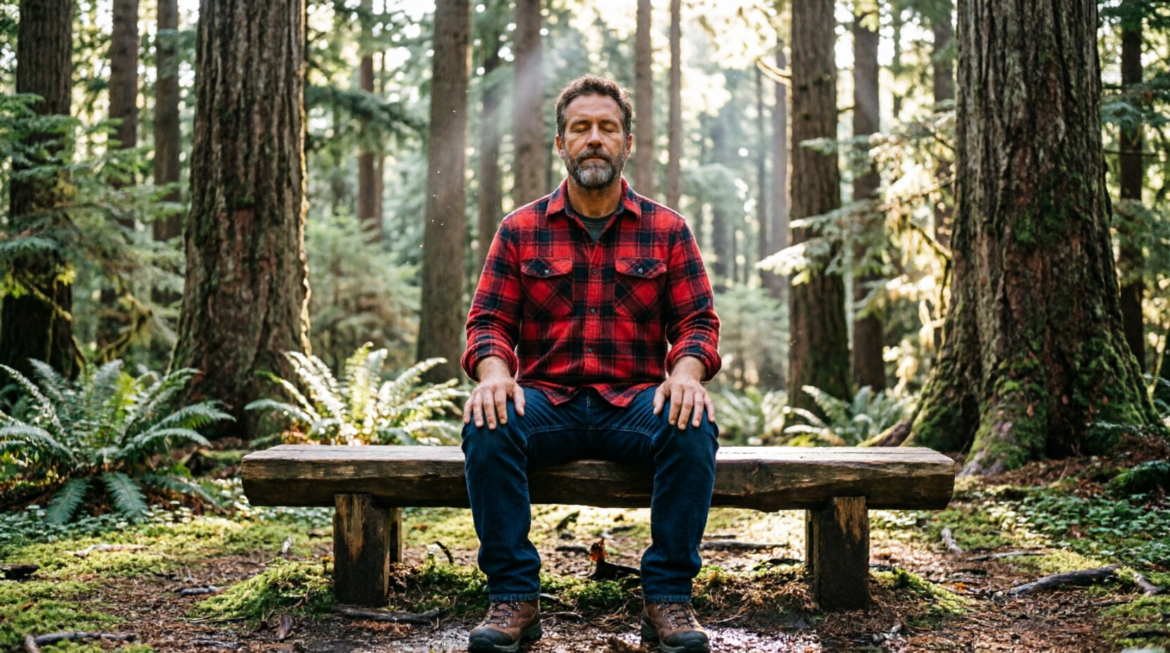
The practice of nature therapy does not require specialized equipment or extensive planning. Simply finding a local park, trail, or body of water and spending time there with intention can be beneficial. Techniques such as mindful walking, where one focuses on the sensations of each step and the surrounding environment, or sitting quietly and observing nature, can deepen the experience. Some individuals choose to incorporate journaling, meditation, or gentle yoga into their nature therapy sessions, enhancing the mental health benefits. The key is to disconnect from digital devices and daily stressors, allowing the mind to rest and rejuvenate in the presence of the natural world.

Pages: 1 2

Advertisement

As climate change continues to influence weather patterns across Canada, summers are becoming hotter and more humid, particularly in densely populated regions like southern Ontario, the Lower Mainland of British Columbia, and the Prairie provinces. These rising temperatures bring an increased risk of heat-related illnesses, including heat exhaustion and heat stroke, both of which are closely linked to dehydration. Staying properly hydrated is no longer just about quenching thirst; it is a critical component of summer health and safety. Understanding the science of hydration, recognizing the signs of dehydration, and implementing practical strategies can help Canadians maintain their well-being during increasingly intense summer heat waves.

Water is essential for nearly every bodily function, including regulating body temperature, transporting nutrients, and removing waste. When the body loses more fluid than it takes in, dehydration occurs, leading to symptoms such as thirst, dry mouth, fatigue, dizziness, and dark-colored urine. In severe cases, dehydration can cause confusion, rapid heartbeat, and even organ failure. The risk is particularly high for vulnerable populations, including young children, the elderly, pregnant women, and individuals with chronic health conditions. However, even healthy adults can become dehydrated quickly during periods of intense heat, especially if they are engaging in physical activity or spending extended time outdoors.

The traditional advice of drinking eight glasses of water a day is a useful starting point, but individual hydration needs vary based on factors such as body size, activity level, climate, and overall health. In 2026, Health Canada recommends that adults aim for approximately 2.5 to 3 liters of fluid per day during hot weather, with additional intake required for those who exercise or work outdoors. The best indicator of adequate hydration is the color of urine; pale yellow or clear urine suggests proper hydration, while dark yellow or amber-colored urine indicates a need for more fluids. Thirst is not always a reliable indicator, as the body’s thirst mechanism can lag behind actual fluid needs, particularly in older adults.

While water is the ideal source of hydration, other beverages and foods can contribute to daily fluid intake. Herbal teas, diluted fruit juices, and milk are all effective options, though caffeinated drinks like coffee and certain teas should be consumed in moderation, as caffeine has a mild diuretic effect that can increase fluid loss. Sports drinks containing electrolytes can be beneficial for individuals engaging in prolonged or intense physical activity, as they help replace sodium, potassium, and other minerals lost through sweat. However, for most people engaging in moderate activity, water is sufficient, and the added sugars in many sports drinks can contribute to unnecessary calorie intake.

Pages: 1 2

Advertisement

The Canadian summer brings long, sunny days that invite outdoor activities, from backyard barbecues to hiking adventures. However, with increasing temperatures and shifting climate patterns, the intensity of ultraviolet (UV) radiation across the country has become a growing concern for public health. Health Canada and the Canadian Dermatology Association have recently updated their guidelines on UV exposure, emphasizing that skin cancer rates in Canada continue to rise, particularly among younger demographics. Understanding the updated UV index guidelines and adopting effective prevention strategies is essential for every Canadian who spends time outdoors during the summer months.

The UV index is a standardized measurement that indicates the strength of sunburn-producing ultraviolet radiation at a particular place and time. In Canada, the index typically ranges from 0 to 11+, with higher numbers indicating greater risk of harm from unprotected sun exposure. During peak summer months, particularly from late May to early August, many regions across southern Canada regularly experience UV index values of 7 to 9, which are classified as “high” to “very high.” In 2026, Environment and Climate Change Canada has integrated real-time UV index data into its weather forecasting app, allowing Canadians to check the daily UV levels alongside temperature and precipitation forecasts. This integration aims to encourage proactive sun protection behaviors before people step outside.

One of the most significant updates in the 2026 guidelines is the emphasis on the cumulative nature of UV damage. Previous messaging often focused on avoiding sunburn, but dermatologists now stress that even brief, repeated exposures without protection contribute to long-term skin damage and increase the risk of melanoma and non-melanoma skin cancers. This is particularly relevant for Canadians who may not consider themselves at risk due to the country’s northern latitude. However, the reflection of UV rays off water, snow, and even concrete can significantly increase exposure, making protection necessary even on seemingly mild days. The guidelines recommend applying broad-spectrum sunscreen with a sun protection factor (SPF) of at least 30 every day, regardless of cloud cover, and reapplying every two hours or after swimming or sweating.

Choosing the right sunscreen is another area where the guidelines have evolved. Canadians are advised to look for products labeled as “broad-spectrum,” meaning they protect against both UVA and UVB rays. UVA rays penetrate deeper into the skin and contribute to premature aging, while UVB rays are primarily responsible for sunburn. Mineral-based sunscreens containing zinc oxide or titanium dioxide are recommended for individuals with sensitive skin or for use on children, as they sit on the surface of the skin and reflect UV rays rather than absorbing them. Chemical sunscreens, which absorb UV radiation and convert it to heat, are also effective but may cause irritation in some people. Regardless of the type, applying sunscreen generously and evenly is crucial; most people apply only half the recommended amount, which significantly reduces the stated SPF protection.

Beyond sunscreen, protective clothing plays a vital role in sun safety. The updated guidelines encourage Canadians to wear tightly woven, dark-colored fabrics, which block more UV radiation than light, loosely woven materials. Many outdoor apparel brands now offer clothing with an ultraviolet protection factor (UPF) rating, similar to SPF for sunscreen. A UPF of 50 means that only one-fiftieth of the sun’s UV radiation reaches the skin. Wide-brimmed hats that shade the face, ears, and neck are recommended over baseball caps, which leave the ears and back of the neck exposed. Sunglasses with UV400 protection are essential for preventing eye damage, including cataracts and macular degeneration, which are linked to long-term UV exposure.

The timing of outdoor activities is another critical factor in sun protection. The sun’s rays are strongest between 10 a.m. and 4 p.m., and the guidelines suggest scheduling outdoor activities outside of this window when possible. For those who must be outdoors during peak hours, seeking shade under trees, umbrellas, or canopies can significantly reduce UV exposure. It is important to note that shade alone does not provide complete protection, as UV rays can reflect off surrounding surfaces. Parents and caregivers are reminded that children’s skin is more sensitive to UV damage, and establishing sun-safe habits early in life can reduce the risk of skin cancer later. Schools and daycares across Canada are increasingly adopting sun safety policies, including mandatory hat-wearing and sunscreen application during outdoor play.

Pages: 1 2

Advertisement

About Us

Snug Dusk Ltd.

100 City Centre Dr, Mississauga, ON L5B 2C9, Canada

Phone:  +19052708542

E-mail: info@snug-dusk.com

Disclaimer

  • The content on this website is provided for general informational purposes only and should not be considered medical, legal, financial, or other professional advice. Information may change over time, and we do not guarantee its completeness or accuracy. Some pages may contain sponsored content or affiliate links. Always consult an appropriate qualified professional before making important decisions. 

© 2026 – All rights reserved