

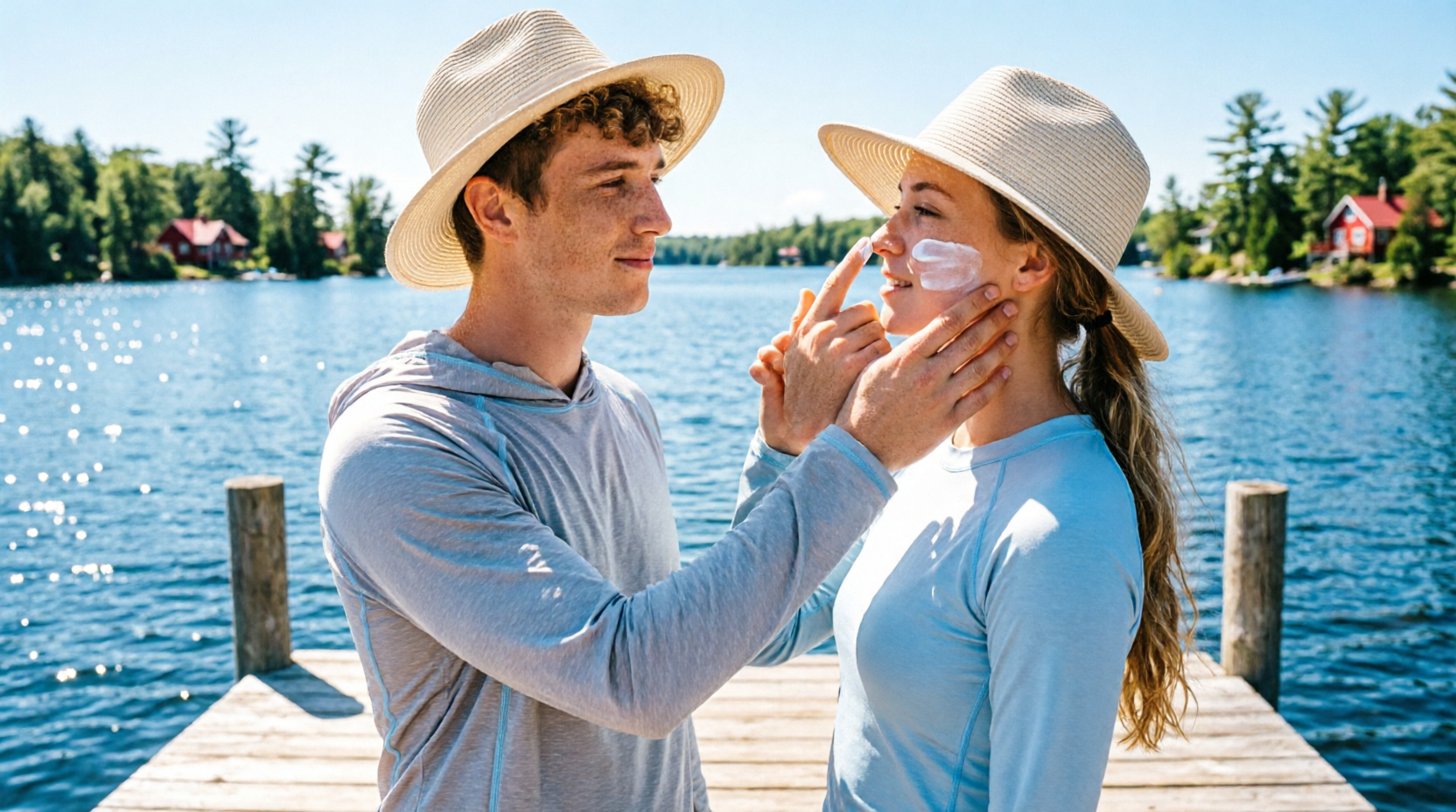
The Canadian summer brings long, sunny days that invite outdoor activities, from backyard barbecues to hiking adventures. However, with increasing temperatures and shifting climate patterns, the intensity of ultraviolet (UV) radiation across the country has become a growing concern for public health. Health Canada and the Canadian Dermatology Association have recently updated their guidelines on UV exposure, emphasizing that skin cancer rates in Canada continue to rise, particularly among younger demographics. Understanding the updated UV index guidelines and adopting effective prevention strategies is essential for every Canadian who spends time outdoors during the summer months.
Advertisement
The UV index is a standardized measurement that indicates the strength of sunburn-producing ultraviolet radiation at a particular place and time. In Canada, the index typically ranges from 0 to 11+, with higher numbers indicating greater risk of harm from unprotected sun exposure. During peak summer months, particularly from late May to early August, many regions across southern Canada regularly experience UV index values of 7 to 9, which are classified as “high” to “very high.” In 2026, Environment and Climate Change Canada has integrated real-time UV index data into its weather forecasting app, allowing Canadians to check the daily UV levels alongside temperature and precipitation forecasts. This integration aims to encourage proactive sun protection behaviors before people step outside.
One of the most significant updates in the 2026 guidelines is the emphasis on the cumulative nature of UV damage. Previous messaging often focused on avoiding sunburn, but dermatologists now stress that even brief, repeated exposures without protection contribute to long-term skin damage and increase the risk of melanoma and non-melanoma skin cancers. This is particularly relevant for Canadians who may not consider themselves at risk due to the country’s northern latitude. However, the reflection of UV rays off water, snow, and even concrete can significantly increase exposure, making protection necessary even on seemingly mild days. The guidelines recommend applying broad-spectrum sunscreen with a sun protection factor (SPF) of at least 30 every day, regardless of cloud cover, and reapplying every two hours or after swimming or sweating.
Choosing the right sunscreen is another area where the guidelines have evolved. Canadians are advised to look for products labeled as “broad-spectrum,” meaning they protect against both UVA and UVB rays. UVA rays penetrate deeper into the skin and contribute to premature aging, while UVB rays are primarily responsible for sunburn. Mineral-based sunscreens containing zinc oxide or titanium dioxide are recommended for individuals with sensitive skin or for use on children, as they sit on the surface of the skin and reflect UV rays rather than absorbing them. Chemical sunscreens, which absorb UV radiation and convert it to heat, are also effective but may cause irritation in some people. Regardless of the type, applying sunscreen generously and evenly is crucial; most people apply only half the recommended amount, which significantly reduces the stated SPF protection.
Beyond sunscreen, protective clothing plays a vital role in sun safety. The updated guidelines encourage Canadians to wear tightly woven, dark-colored fabrics, which block more UV radiation than light, loosely woven materials. Many outdoor apparel brands now offer clothing with an ultraviolet protection factor (UPF) rating, similar to SPF for sunscreen. A UPF of 50 means that only one-fiftieth of the sun’s UV radiation reaches the skin. Wide-brimmed hats that shade the face, ears, and neck are recommended over baseball caps, which leave the ears and back of the neck exposed. Sunglasses with UV400 protection are essential for preventing eye damage, including cataracts and macular degeneration, which are linked to long-term UV exposure.
The timing of outdoor activities is another critical factor in sun protection. The sun’s rays are strongest between 10 a.m. and 4 p.m., and the guidelines suggest scheduling outdoor activities outside of this window when possible. For those who must be outdoors during peak hours, seeking shade under trees, umbrellas, or canopies can significantly reduce UV exposure. It is important to note that shade alone does not provide complete protection, as UV rays can reflect off surrounding surfaces. Parents and caregivers are reminded that children’s skin is more sensitive to UV damage, and establishing sun-safe habits early in life can reduce the risk of skin cancer later. Schools and daycares across Canada are increasingly adopting sun safety policies, including mandatory hat-wearing and sunscreen application during outdoor play.