

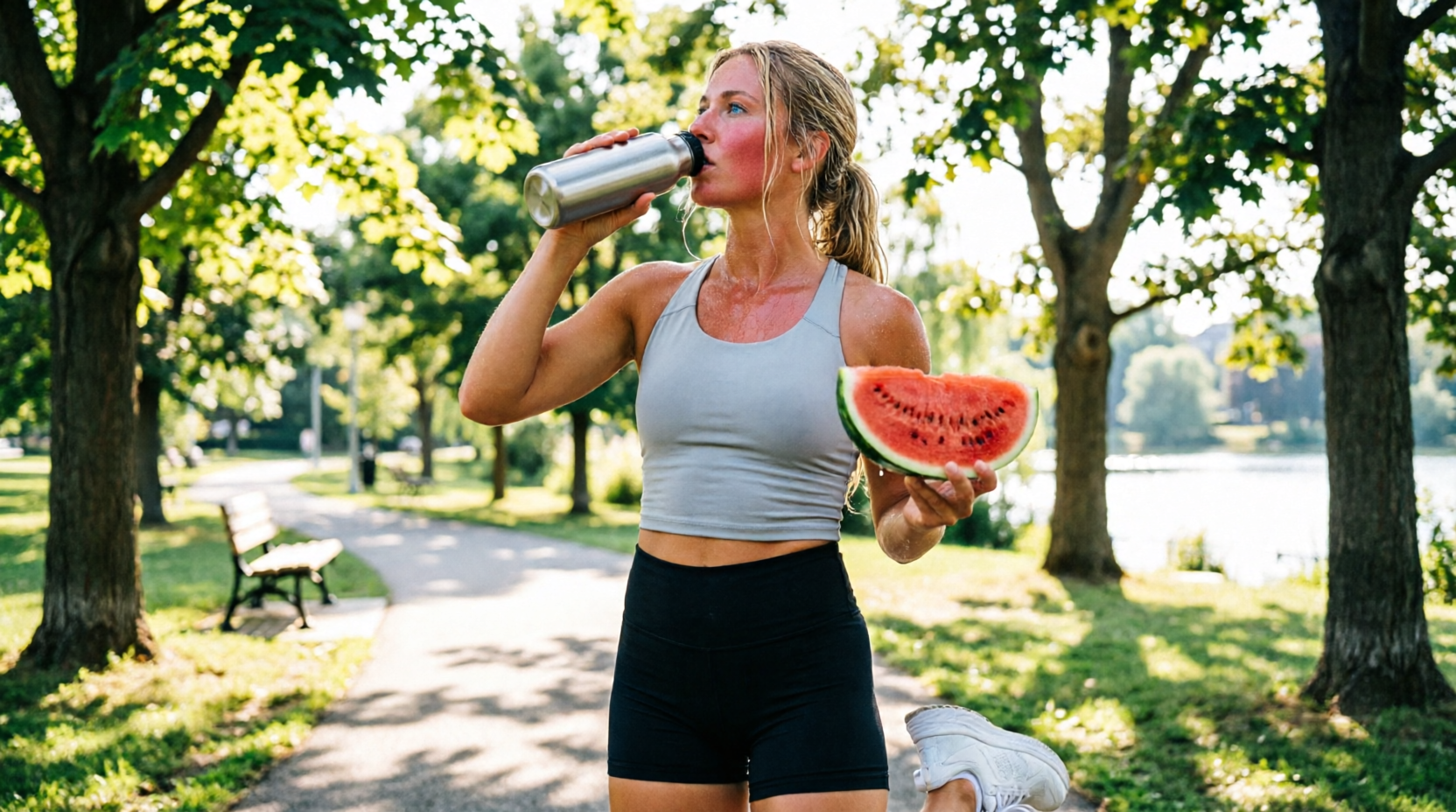
As climate change continues to influence weather patterns across Canada, summers are becoming hotter and more humid, particularly in densely populated regions like southern Ontario, the Lower Mainland of British Columbia, and the Prairie provinces. These rising temperatures bring an increased risk of heat-related illnesses, including heat exhaustion and heat stroke, both of which are closely linked to dehydration. Staying properly hydrated is no longer just about quenching thirst; it is a critical component of summer health and safety. Understanding the science of hydration, recognizing the signs of dehydration, and implementing practical strategies can help Canadians maintain their well-being during increasingly intense summer heat waves.
Advertisement
Water is essential for nearly every bodily function, including regulating body temperature, transporting nutrients, and removing waste. When the body loses more fluid than it takes in, dehydration occurs, leading to symptoms such as thirst, dry mouth, fatigue, dizziness, and dark-colored urine. In severe cases, dehydration can cause confusion, rapid heartbeat, and even organ failure. The risk is particularly high for vulnerable populations, including young children, the elderly, pregnant women, and individuals with chronic health conditions. However, even healthy adults can become dehydrated quickly during periods of intense heat, especially if they are engaging in physical activity or spending extended time outdoors.
The traditional advice of drinking eight glasses of water a day is a useful starting point, but individual hydration needs vary based on factors such as body size, activity level, climate, and overall health. In 2026, Health Canada recommends that adults aim for approximately 2.5 to 3 liters of fluid per day during hot weather, with additional intake required for those who exercise or work outdoors. The best indicator of adequate hydration is the color of urine; pale yellow or clear urine suggests proper hydration, while dark yellow or amber-colored urine indicates a need for more fluids. Thirst is not always a reliable indicator, as the body’s thirst mechanism can lag behind actual fluid needs, particularly in older adults.
While water is the ideal source of hydration, other beverages and foods can contribute to daily fluid intake. Herbal teas, diluted fruit juices, and milk are all effective options, though caffeinated drinks like coffee and certain teas should be consumed in moderation, as caffeine has a mild diuretic effect that can increase fluid loss. Sports drinks containing electrolytes can be beneficial for individuals engaging in prolonged or intense physical activity, as they help replace sodium, potassium, and other minerals lost through sweat. However, for most people engaging in moderate activity, water is sufficient, and the added sugars in many sports drinks can contribute to unnecessary calorie intake.