

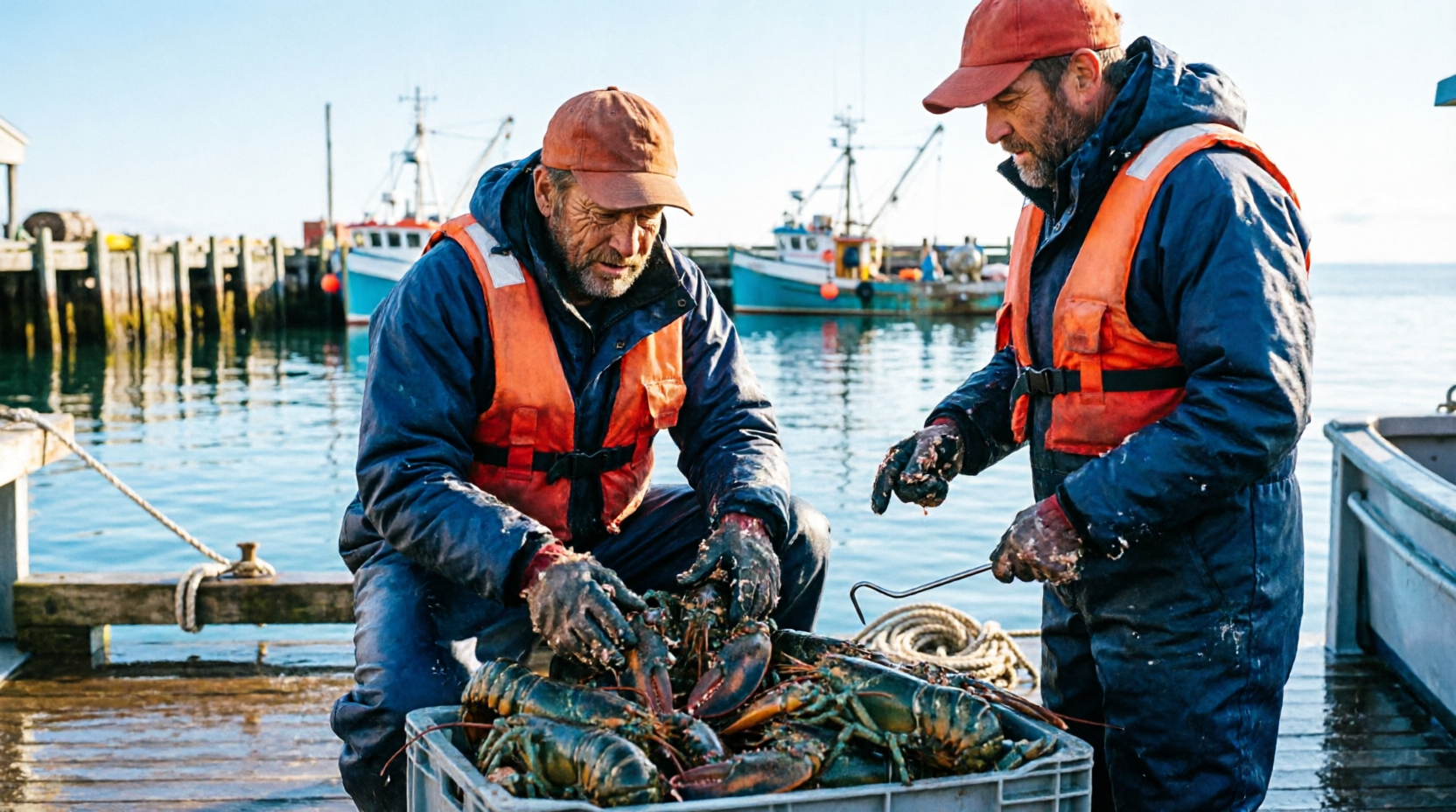
The fishing industry is the lifeblood of Atlantic Canada, deeply intertwined with the region’s history, culture, and economy. In 2026, the implementation of new, science-based sustainable quotas by the Department of Fisheries and Oceans (DFO) marks a critical juncture for the sector. These updated regulations are designed to address the dual challenges of overfishing and climate change, ensuring the long-term viability of fish stocks while navigating the complex socio-economic realities of coastal communities.
Advertisement
The new quotas reflect a more precautionary approach to fisheries management, incorporating the latest data on stock health, ecosystem dynamics, and the impacts of warming ocean temperatures. For key species such as Atlantic cod, lobster, and snow crab, the DFO has adjusted catch limits to allow for stock rebuilding and to prevent overexploitation. While these measures are essential for ecological sustainability, they have sparked intense debate among fishers, processors, and community leaders who are concerned about the immediate economic impact of reduced catch volumes.
The impact of these new quotas on local coastal communities is multifaceted. For many small-boat fishers and independent owner-operators, reduced quotas mean lower revenues and tighter profit margins. This economic pressure is particularly acute in rural areas where the fishery is often the primary employer and the backbone of the local economy. In response, community organizations and provincial governments are advocating for increased financial support, transition programs, and greater flexibility in quota allocation to help fishers adapt to the new regulatory environment.