

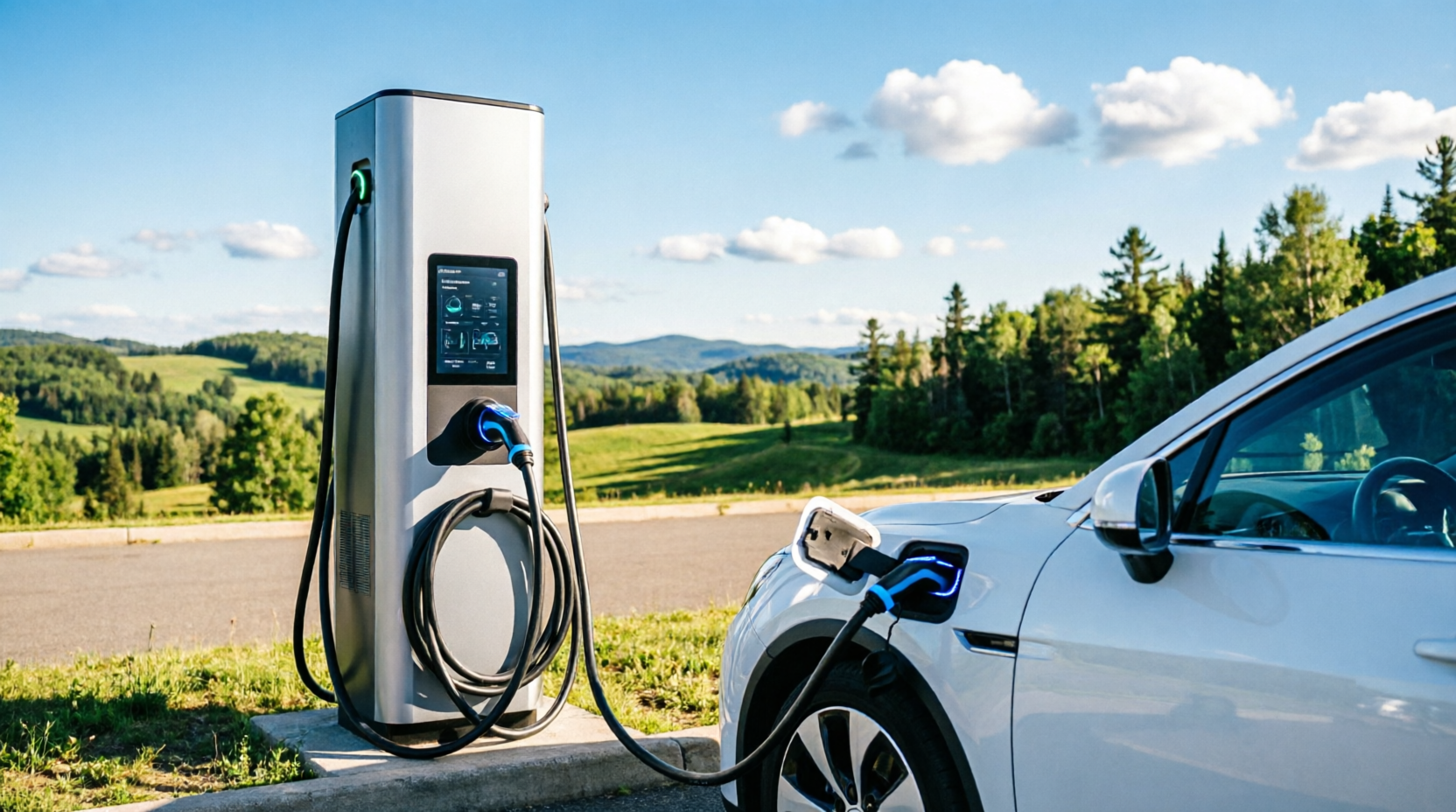
The development of this infrastructure has been heavily supported by both federal and provincial governments. Programs like the Zero-Emission Vehicle Infrastructure Program (ZEVIP) have provided crucial funding to businesses, municipalities, and Indigenous communities to install charging stations. In Quebec, the provincial government’s “Circuit électrique” has partnered with local businesses to host chargers, turning grocery stores, shopping malls, and restaurants into convenient charging hubs. This strategy not only encourages EV adoption but also drives foot traffic and revenue to local businesses during the charging process.
Advertisement
User experience and network reliability have also seen significant improvements. In the past, broken chargers and confusing payment systems were common complaints. In 2026, charging networks are mandated to meet strict uptime guarantees, and real-time monitoring systems alert maintenance crews to faults before drivers even arrive. Furthermore, modern charging apps provide highly accurate information on stall availability, charging speeds, and even the amenities available at the location, such as restrooms, Wi-Fi, and food options.
As Canadians pack their cars for summer vacations to cottage country, national parks, and neighboring provinces, the robust charging infrastructure in Ontario and Quebec ensures that the journey is as enjoyable as the destination. The seamless integration of ultra-fast charging, expanded network access, and user-friendly technology has effectively removed the final major barrier to EV adoption, paving the way for a cleaner, quieter, and more sustainable future for Canadian transportation.