

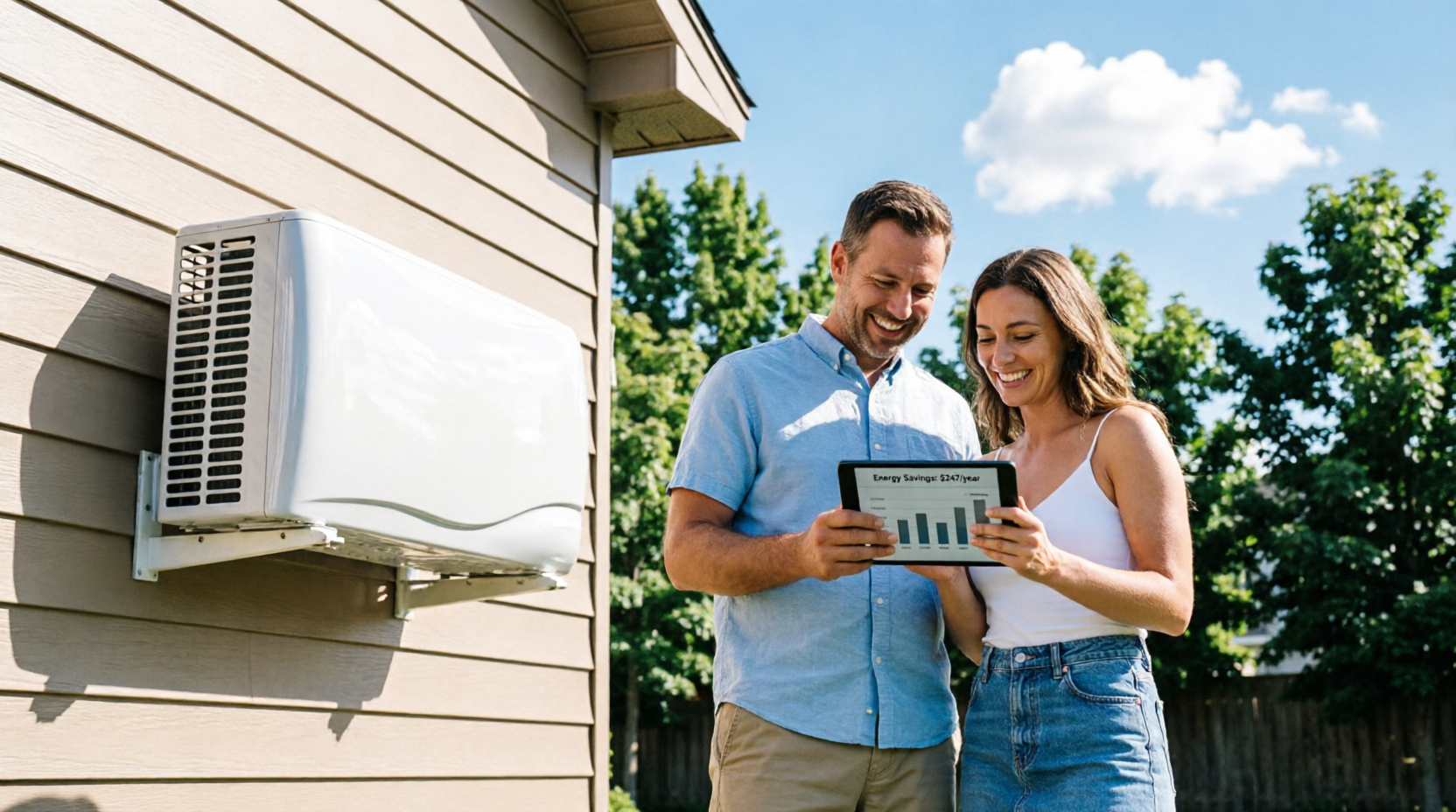
For homeowners looking for a more permanent and efficient solution, ductless mini-split heat pumps have emerged as a top choice in the Canadian market. These systems consist of an outdoor compressor unit and one or more indoor air-handling units connected by a small conduit. Unlike traditional central air systems, mini-splits do not require extensive ductwork, making them ideal for older homes, additions, or rooms that are difficult to cool. The primary advantage of mini-splits is their exceptional energy efficiency and their ability to provide both cooling in the summer and heating in the winter. This dual functionality makes them a year-round investment rather than just a seasonal expense. In 2026, federal and provincial rebate programs have made these systems more affordable than ever. The Canada Greener Homes Affordability Program, along with various provincial initiatives in British Columbia, Quebec, and Nova Scotia, offers substantial rebates for the installation of high-efficiency heat pumps. These incentives can cover a significant portion of the upfront cost, which typically ranges from three thousand to five thousand dollars per zone. Furthermore, mini-splits allow for zoned cooling, meaning you can set different temperatures for different rooms, ensuring that energy is not wasted on unoccupied spaces. This level of control is particularly beneficial for multi-story homes where heat tends to accumulate on upper floors.
Advertisement
In regions with lower humidity, such as parts of Alberta, Saskatchewan, and the interior of British Columbia, evaporative coolers, often referred to as swamp coolers, present an eco-friendly and cost-effective alternative to traditional air conditioning. These devices work by drawing in warm, dry air and passing it through water-soaked pads, causing the water to evaporate and cool the air before it is circulated into the home. Evaporative coolers use up to seventy-five percent less electricity than conventional compressor-based air conditioners, making them an attractive option for environmentally conscious consumers. They also add moisture to the air, which can be beneficial in dry climates but is a disadvantage in humid regions like Ontario and the Maritimes. Therefore, it is essential to consider your local climate before investing in this technology. For those in humid areas, combining a dehumidifier with ceiling fans can achieve a similar comfort level by reducing the moisture content in the air, which makes the perceived temperature feel cooler even if the actual temperature remains the same. High-quality ceiling fans with reversible motors can also be used in the summer to create a wind-chill effect, allowing you to raise the thermostat setting by several degrees without sacrificing comfort.
Beyond mechanical solutions, passive cooling strategies play a vital role in maintaining a comfortable indoor environment. Simple changes in behavior and home maintenance can yield significant results. Installing reflective window films or thermal curtains on south- and west-facing windows can block a substantial amount of solar heat gain during the hottest parts of the day. These films are relatively inexpensive and easy to install, yet they can reduce indoor temperatures by several degrees. Ensuring that your attic is properly insulated and ventilated is another critical step, as a significant amount of heat enters the home through the roof. Many municipalities offer free or subsidized home energy audits through programs like EnerGuide, which can identify specific areas where your home is losing efficiency. Additionally, landscaping can contribute to cooling; planting deciduous trees on the south and west sides of your home provides shade in the summer while allowing sunlight to penetrate in the winter when the leaves have fallen. By combining these passive strategies with efficient cooling technologies, Canadian homeowners can create a resilient and comfortable living space that withstands the challenges of a changing climate without incurring prohibitive costs. As the summer of 2026 progresses, taking proactive steps to manage indoor temperatures will not only enhance your quality of life but also contribute to long-term energy savings and environmental sustainability.