

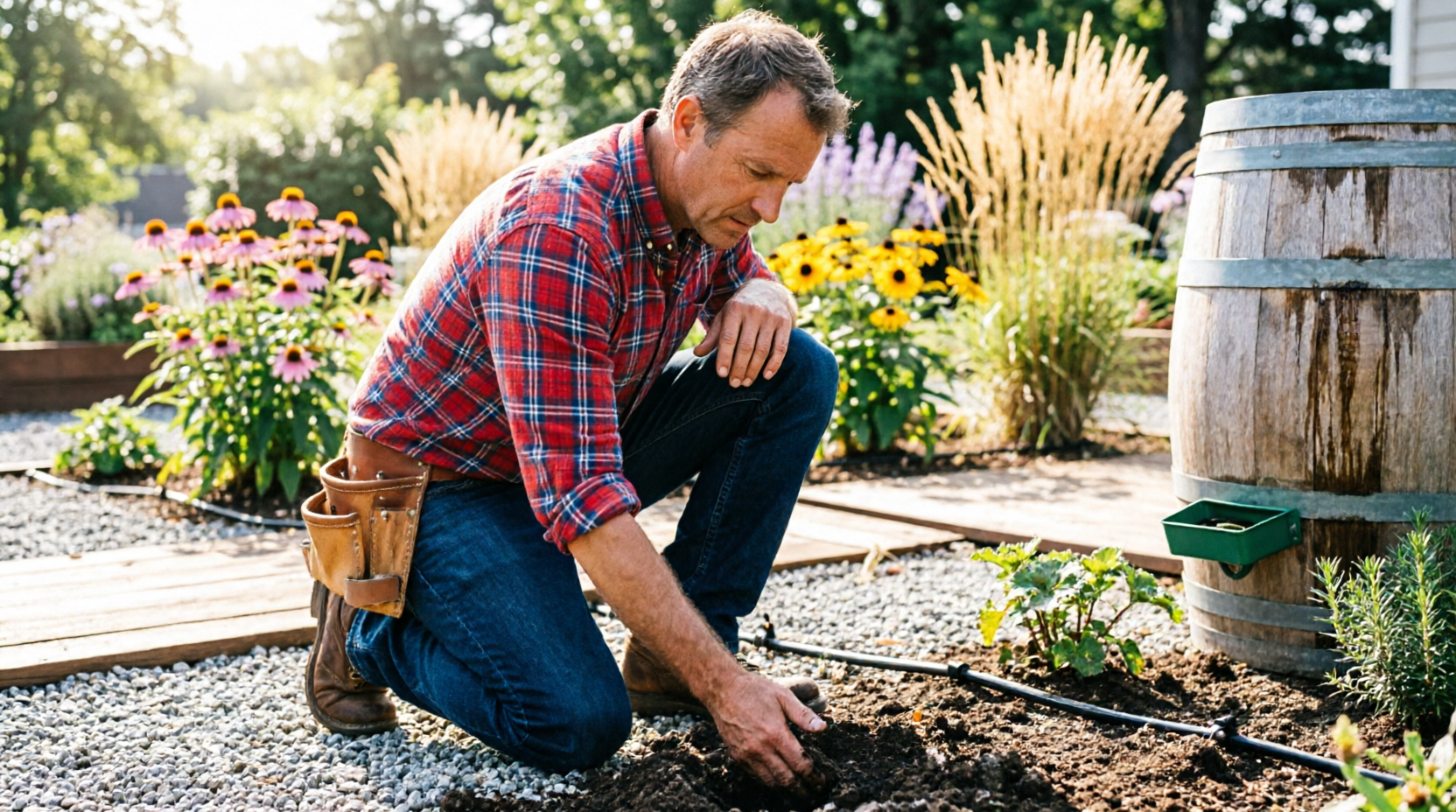
Climate change is reshaping the way Canadians interact with their outdoor spaces. With hotter summers, irregular rainfall patterns, and occasional drought conditions becoming more common across the country, the traditional lush green lawn is increasingly difficult and expensive to maintain. In response, many homeowners are turning to drought-resistant gardening, also known as xeriscaping, to create beautiful, sustainable, and low-maintenance backyards. This approach not only conserves water and reduces utility bills but also supports local biodiversity and adapts to the evolving environmental realities of Canada. Creating an eco-friendly backyard involves selecting the right plants, improving soil health, and implementing efficient irrigation practices, all of which contribute to a resilient and thriving garden ecosystem.
Advertisement
The foundation of a drought-resistant garden is plant selection. Choosing native species is one of the most effective strategies, as these plants have evolved to thrive in local climate conditions and require minimal supplemental water once established. In Ontario and Quebec, native plants such as purple coneflower, black-eyed Susan, and wild bergamot are not only drought-tolerant but also attract pollinators like bees and butterflies, enhancing the ecological value of your garden. In the Prairies, hardy perennials like sedum, yarrow, and Russian sage perform well in dry conditions and add vibrant color to the landscape. On the West Coast, drought-tolerant shrubs like lavender, rosemary, and ornamental grasses are popular choices that withstand dry summers with ease. When selecting plants, it is important to consider their mature size and water needs to ensure they are placed in appropriate locations. Grouping plants with similar water requirements together, a practice known as hydrozoning, allows for more efficient watering and prevents over- or under-watering specific areas of the garden.
Soil health plays a critical role in water retention and plant vitality. Healthy soil acts like a sponge, holding moisture and nutrients that plants need to survive during dry periods. Adding organic matter, such as compost or well-rotted manure, to your garden beds can significantly improve soil structure and water-holding capacity. Mulching is another essential practice that helps retain soil moisture, suppress weeds, and regulate soil temperature. A layer of organic mulch, such as wood chips, straw, or shredded leaves, applied around plants can reduce water evaporation by up to fifty percent. In addition to organic mulches, inorganic options like gravel or stone can be used in rock gardens or pathways, providing a decorative element that requires no maintenance and does not decompose. Regularly testing your soil pH and nutrient levels can also help you make informed decisions about amendments, ensuring that your plants have the best possible growing conditions.