
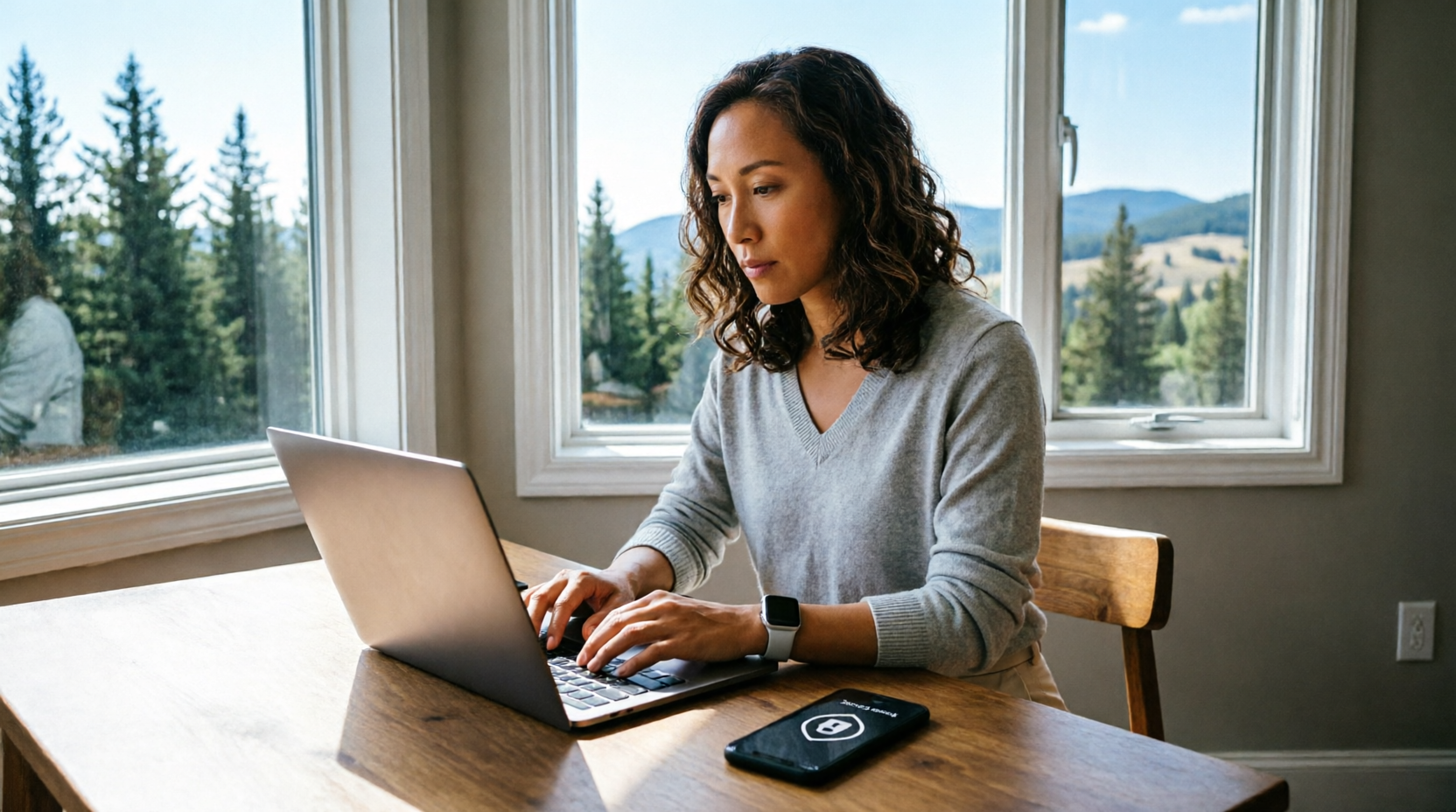
Password hygiene is another critical component of online security. Reusing passwords across multiple accounts is a major vulnerability; if one site is breached, hackers will immediately try those credentials on your other accounts, including your work email and banking portals. Utilize a reputable password manager to generate and store complex, unique passwords for every account you use. Furthermore, enable Multi-Factor Authentication (MFA) on all your professional and personal accounts wherever possible. MFA adds an extra layer of security by requiring a second form of verification, such as a code sent to your smartphone or generated by an authenticator app, ensuring that even if your password is compromised, your account remains secure.
Advertisement
Keeping your software and devices updated is a simple yet often overlooked security measure. Software updates frequently include patches for known security vulnerabilities that hackers could exploit to gain access to your system. Enable automatic updates for your operating system, web browsers, antivirus software, and any work-related applications. Additionally, ensure that your antivirus and anti-malware software is up-to-date and running regular scans. If you use a company-issued laptop, adhere strictly to your IT department’s policies regarding software installation and device management, as these protocols are designed to protect both you and the organization.
Finally, be mindful of your digital footprint and the information you share on social media. Cybercriminals often use publicly available information to craft targeted spear-phishing attacks or to guess security questions. Limit the amount of personal and professional information visible to the public on platforms like LinkedIn, Facebook, and X. If you suspect that your identity has been compromised or that you have fallen victim to a cyberattack, report it immediately to your company’s IT department and the Canadian Anti-Fraud Centre. By adopting these essential cybersecurity habits, Canadian remote workers can protect their digital identities, safeguard their employers’ data, and enjoy the benefits of remote work without the constant fear of a cyber breach.