

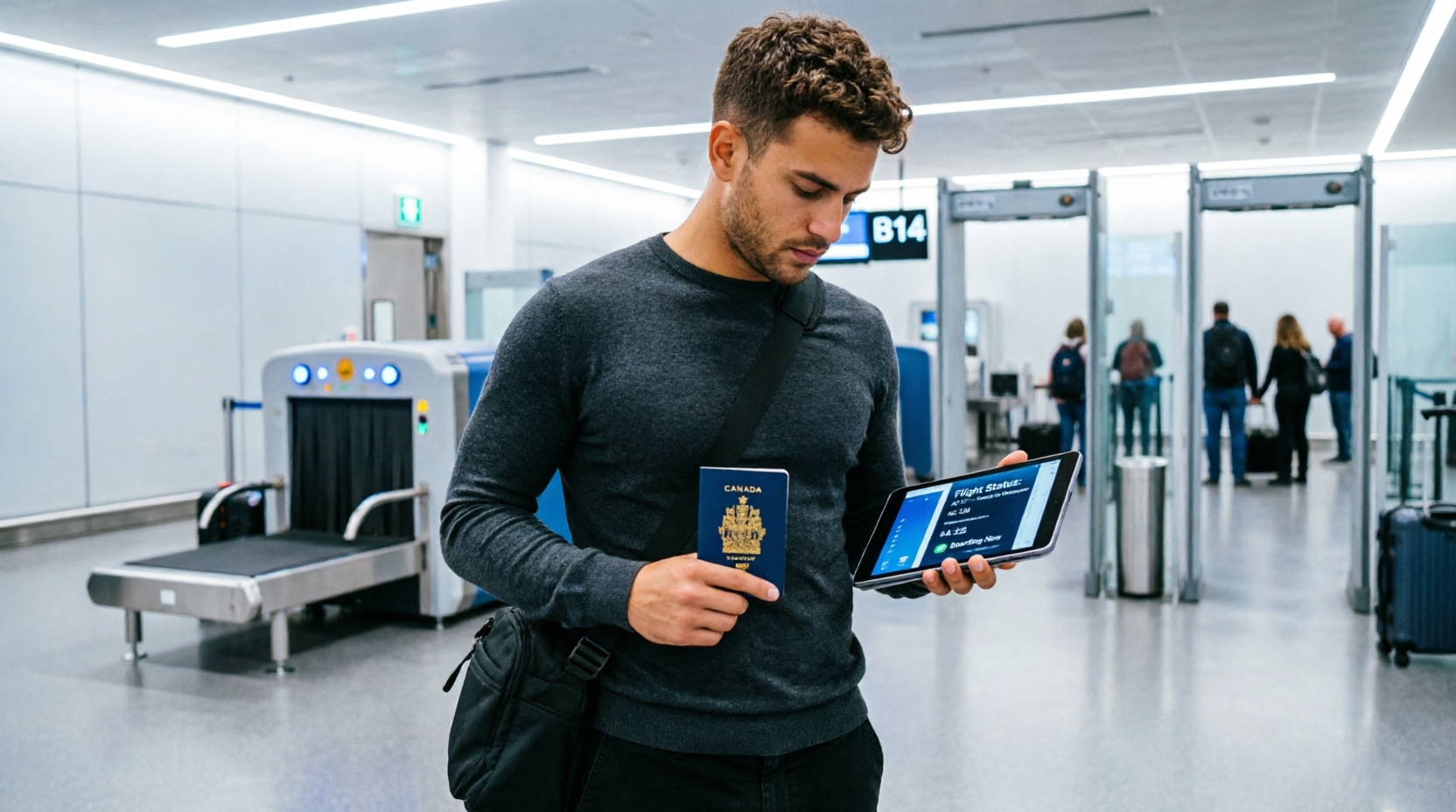
International travel has rebounded strongly in 2026, and with it comes a wave of new regulations and technological upgrades designed to make the journey smoother for Canadian travelers. Whether you are flying to Europe, cruising the Caribbean, or taking a road trip across the United States, staying informed about the latest passport rules and airport security protocols is essential to avoid last-minute stress and unexpected delays at the border. The Government of Canada and the Canadian Air Transport Security Authority (CATSA) have implemented several key changes this year that every traveler needs to know before packing their bags.
Advertisement
One of the most critical updates regarding Canadian passports is the strict enforcement of the six-month validity rule by many international destinations. While Canada itself does not require this for entry, countries across Europe, Asia, and parts of the Caribbean mandate that your passport be valid for at least six months beyond your planned date of departure. In 2026, Immigration, Refugees and Citizenship Canada (IRCC) has streamlined the passport renewal process, introducing a fully digital application portal for eligible adults. This new system significantly reduces processing times, but travelers are still strongly advised to apply or renew at least two months before their intended travel date. Additionally, the new generation of Canadian e-passports features enhanced biometric chips that are fully compliant with the latest International Civil Aviation Organization standards, ensuring faster processing at automated e-gates in major international airports.
At the airport, the security screening experience has undergone a significant transformation thanks to the rollout of advanced computed tomography (CT) scanners at major Canadian hubs, including Toronto Pearson, Vancouver International, and Montreal-Trudeau. These state-of-the-art machines allow passengers to leave laptops, tablets, and large electronics inside their carry-on bags, and crucially, liquids, aerosols, and gels in containers larger than 100 milliliters can now remain in your bag as well. However, this convenience is not yet available at all regional airports, so it is vital to check the specific CATSA guidelines for your departure airport before you pack. If you are flying out of a smaller regional terminal that still uses traditional X-ray machines, the old 100-milliliter liquid rule and the requirement to remove electronics still strictly apply.